INDUSTRY
Public safety
CLIENT
B.C. Ministry of Emergency Management and Climate Readiness
Evacuee Registration & Assistance (ERA)
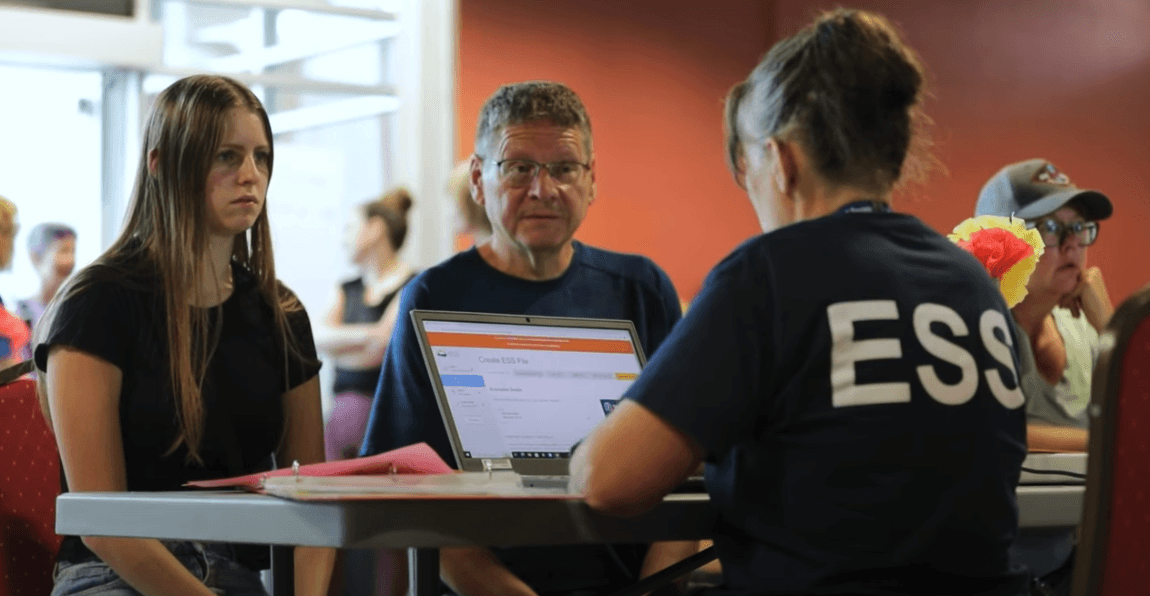
Rebuilding emergency assistance for scale and compassion
When people are forced from their homes due to wildfires or other emergencies, every moment matters. In those first hours, citizens need clarity, reassurance, and immediate access to support while responders must act quickly, often under significant pressure.
In British Columbia, the process for registering evacuees and coordinating assistance had become increasingly difficult to sustain at scale. What began as a paper-based system no longer met the demands of modern emergency response.
Number 41 partnered with the Province to redesign the service end-to-end, transforming it into a digital-first experience built for speed, clarity, and real-world conditions.
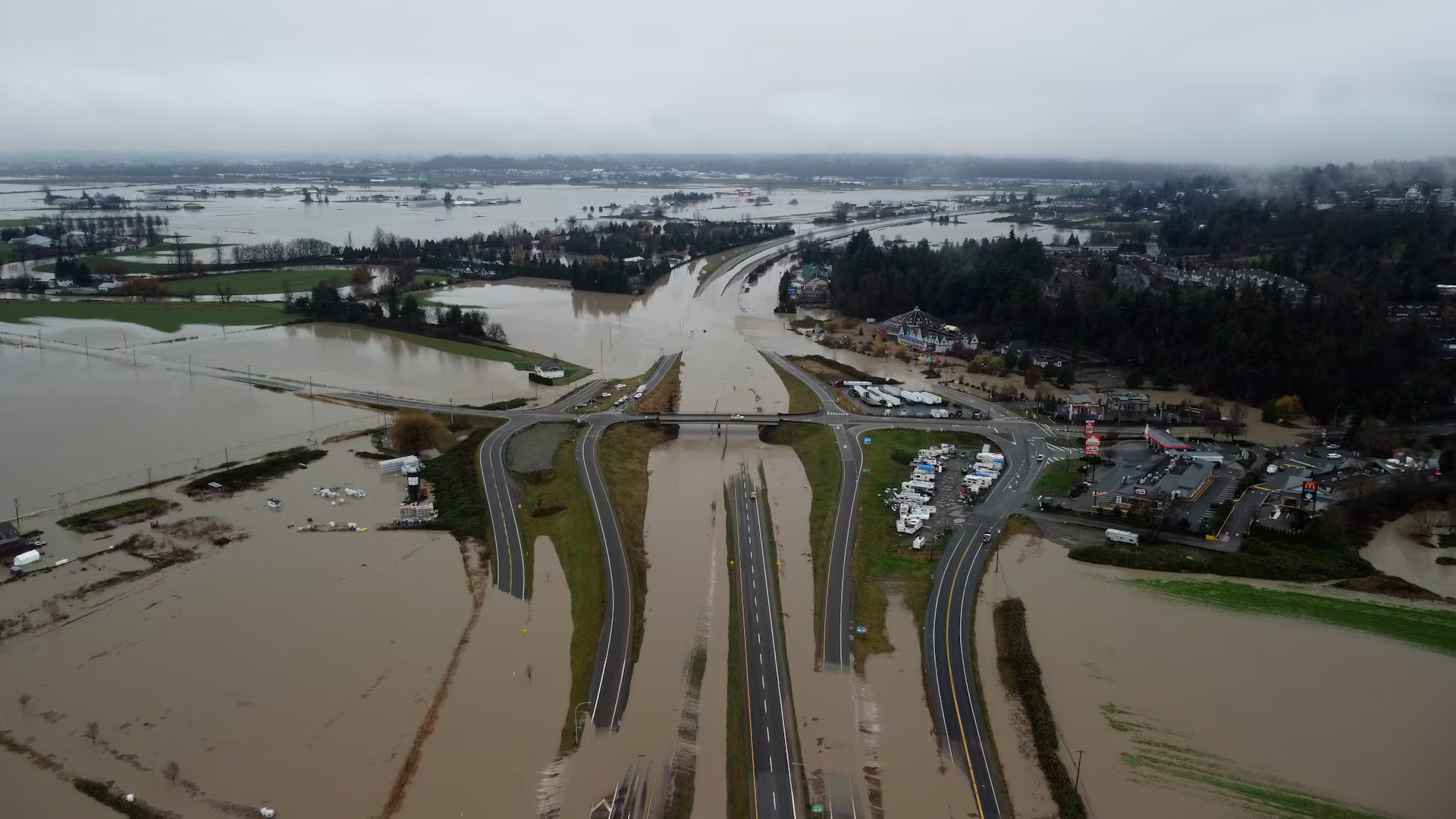
Aerial image of floodwaters in Abbotsford, B.C., on Dec. 12, 2025. (CTV News)
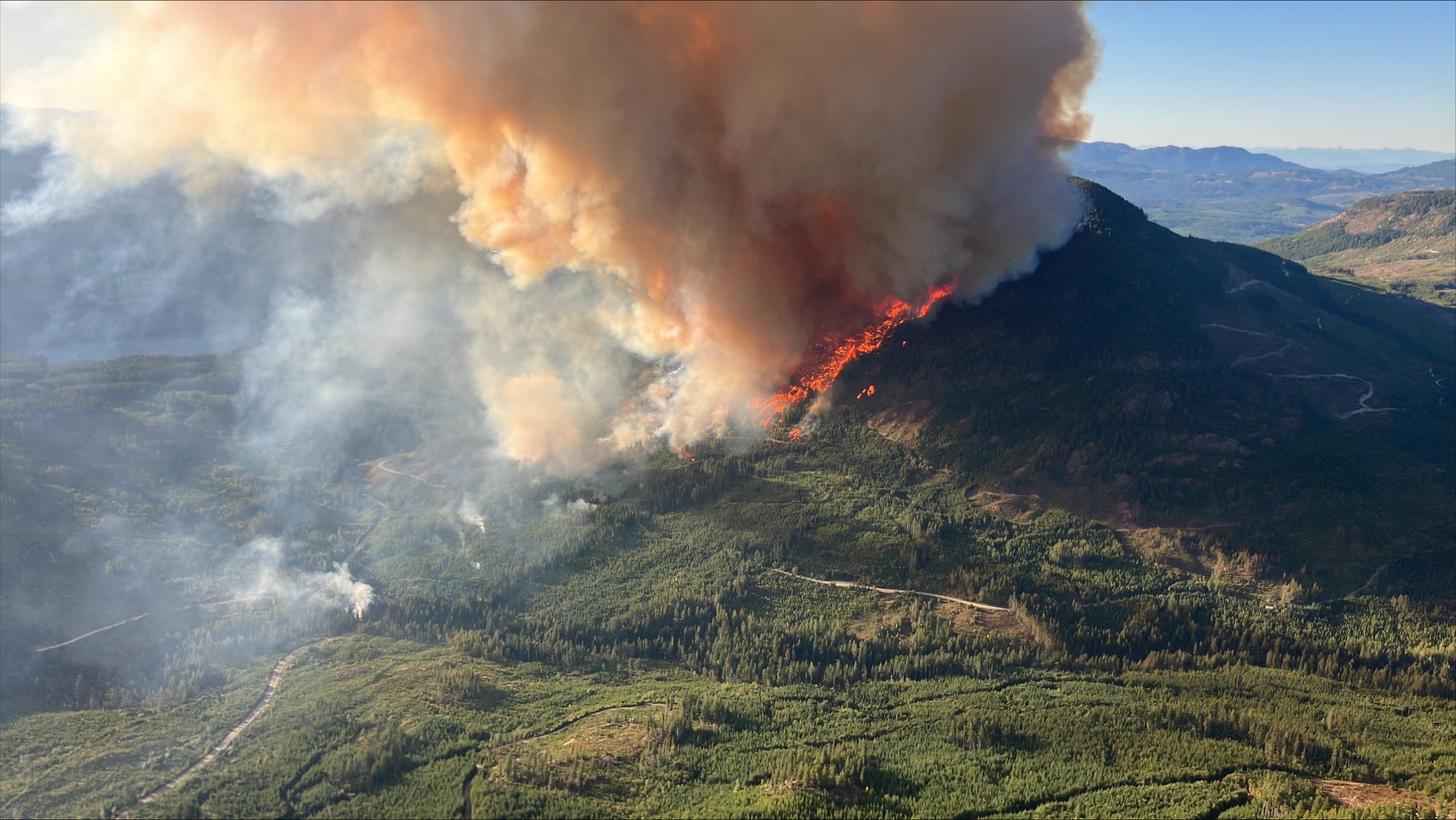
The Mount Underwood wildfire is seen near Port Alberni on Monday August 11, 2025. (BC Wildfire Service Image)
The challenge
The problem was not simply inefficiency; it was misalignment between how the service was designed and how it was actually used.
Evacuees, often arriving in distress, were required to navigate unclear steps and repeat information. Responders, working across jurisdictions, faced inconsistent processes, limited visibility, and mounting administrative burden. As volumes increased, these gaps became more pronounced.
It became clear that digitizing forms would not be enough. The service itself needed to be rethought—how people moved through it, how information flowed, and how decisions were supported.
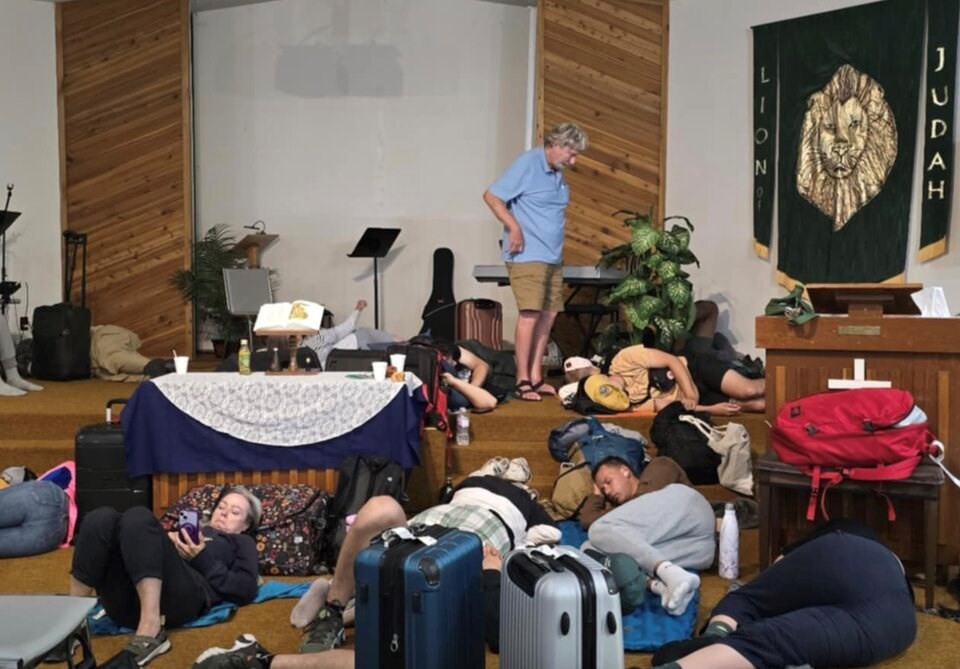
Evacuees from the 2024 Jasper wildfires seek shelter in Valemount, B.C. | Lianne Abbott/Village of Valemount (Sourced from BIV.com)
Our design approach
Number 41 led the end-to-end service design and UX effort, working closely with provincial stakeholders, local authorities, and frontline responders to understand how the service functioned in real-world conditions.
We conducted targeted user research with evacuees and response teams to uncover gaps, workarounds, and operational constraints. These insights were translated into journey maps and service blueprints, allowing us to clearly identify where the experience broke down and how those issues connected to underlying processes.
From there, we moved into rapid prototyping—developing and testing concepts early to validate approaches and reduce delivery risk. Iterative usability testing ensured the experience remained clear, intuitive, and accessible under stress.
This approach ensured the final service was grounded in evidence, aligned to operational realities, and designed to perform in high-pressure environments.
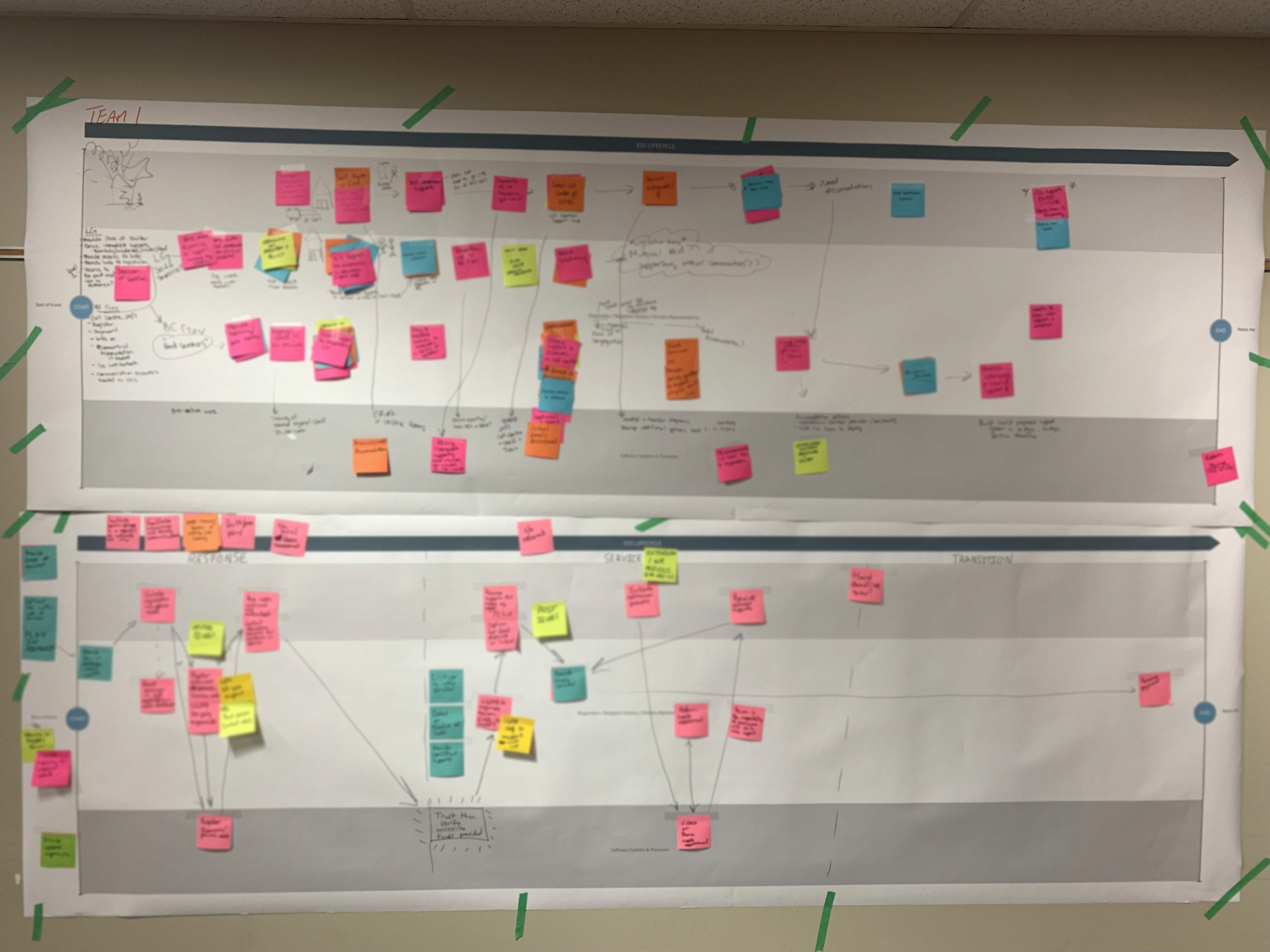
An in-person facilitated workshop bringing together multiple teams to collaborate on the future emergency support services,
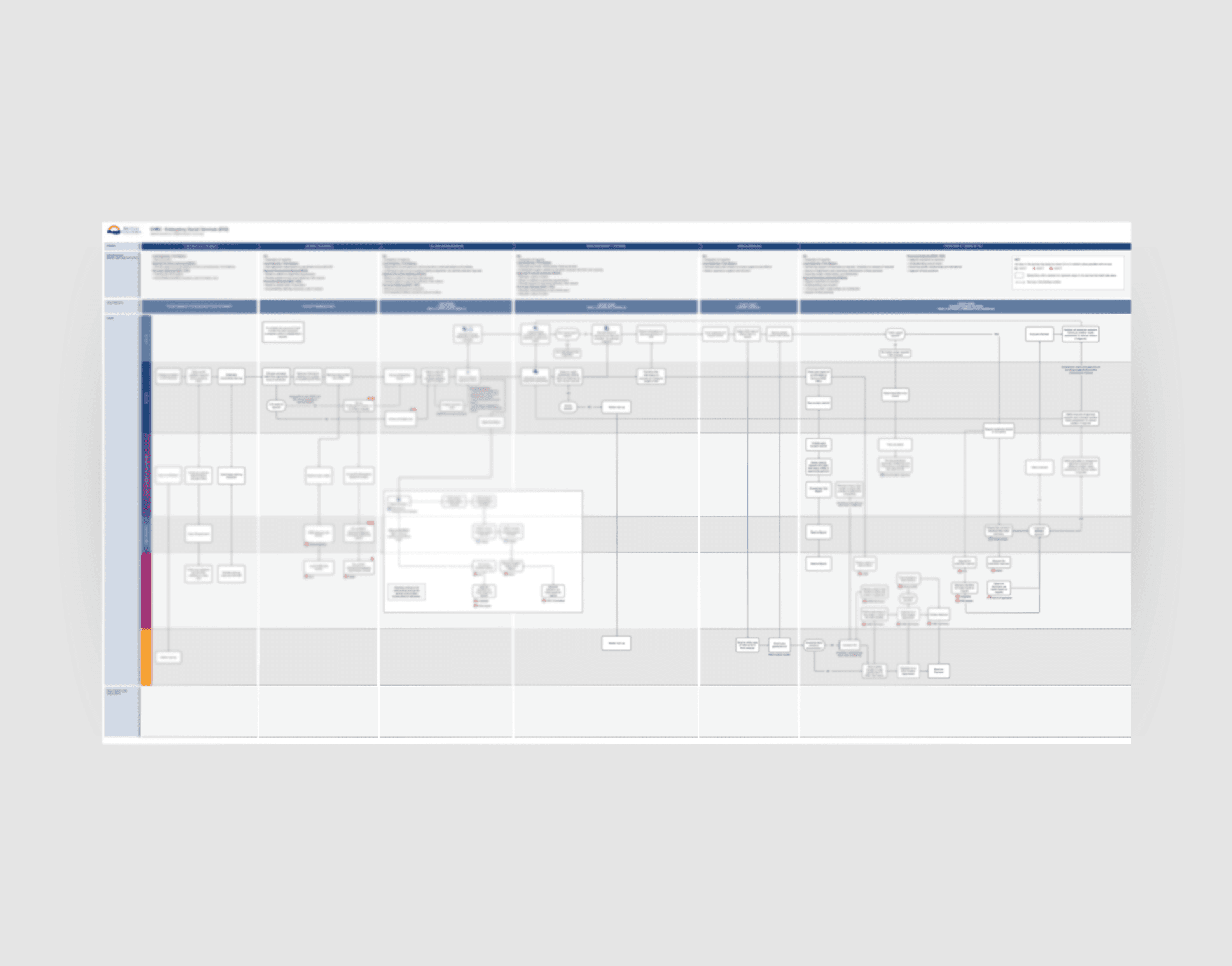
Administrative stakeholder's Emergency Social Services future state blueprint journey.
The solution
The resulting ERA service is a streamlined, digital platform that enables evacuees to register quickly and access support with clarity and confidence.
The experience guides users step-by-step, reducing cognitive load at critical moments. Information is presented clearly and consistently, helping people understand what to do and what to expect.
Behind the scenes, standardized workflows and improved data visibility support more coordinated and efficient response efforts across communities. The service aligns front-line experience with operational needs, ensuring it works not just in theory, but in practice.
Accessibility was built in from the outset, ensuring the service can be used by a broad range of individuals across devices and conditions.
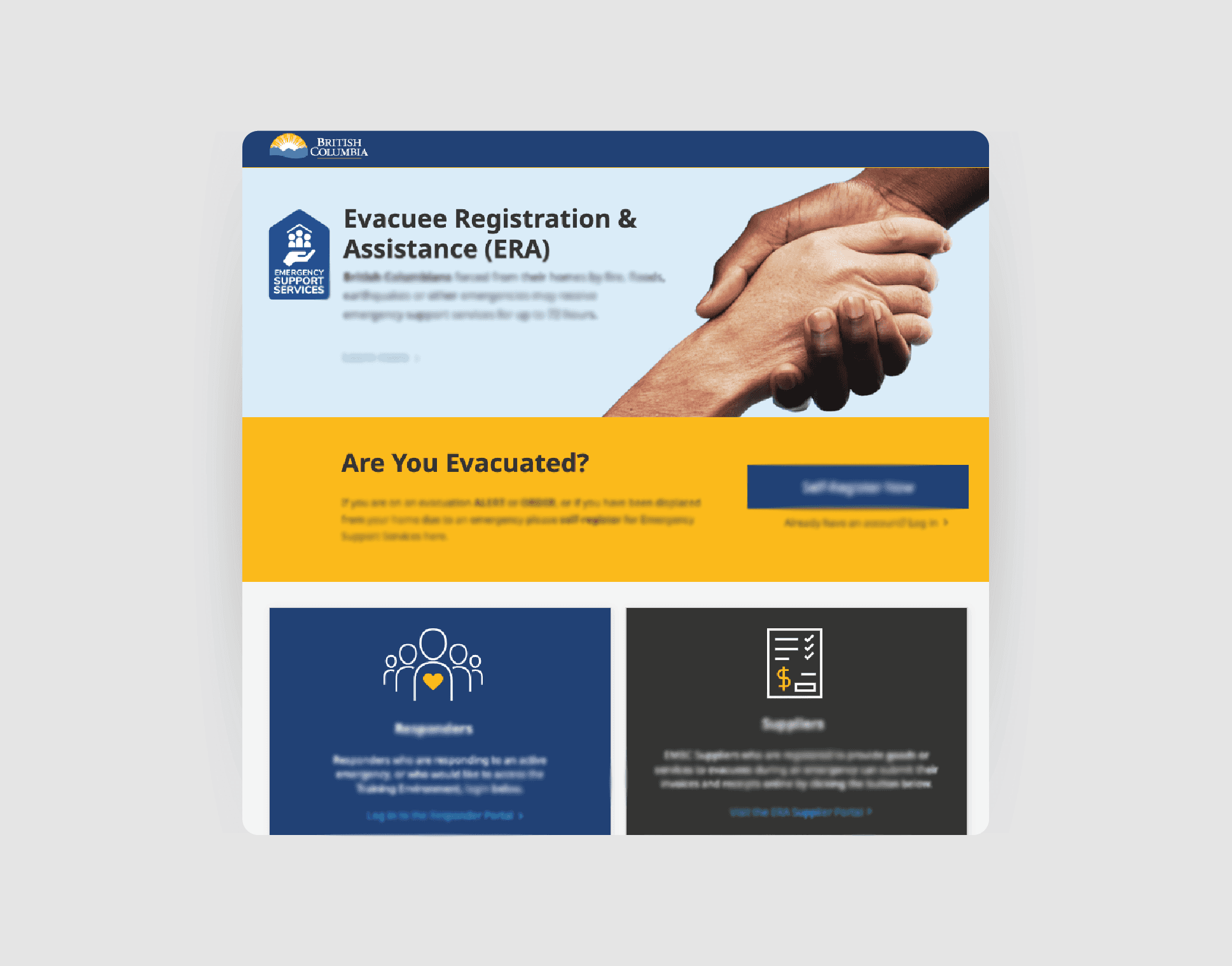
Proposed solution used for the training workshops.

In-person training workshop conducted for Evacuees.
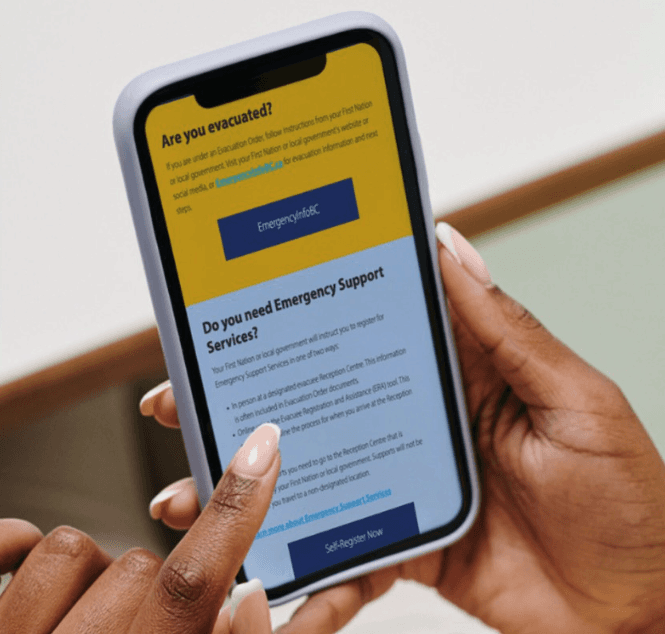
Mobile user testing conducted in-person for Evacuees.
Outcomes
The ERA service is now used across British Columbia to support emergency response at scale.
The service has been widely adopted across communities, enabling a more consistent and coordinated approach to delivering assistance during emergencies.
More importantly, the experience itself has been fundamentally improved. Citizens are able to access support more quickly and with greater clarity, while responders benefit from improved visibility and more streamlined workflows.
What was once a fragmented, manual process has been transformed into a cohesive, modern service. One that better reflects the realities of emergency response and supports those who rely on it most.
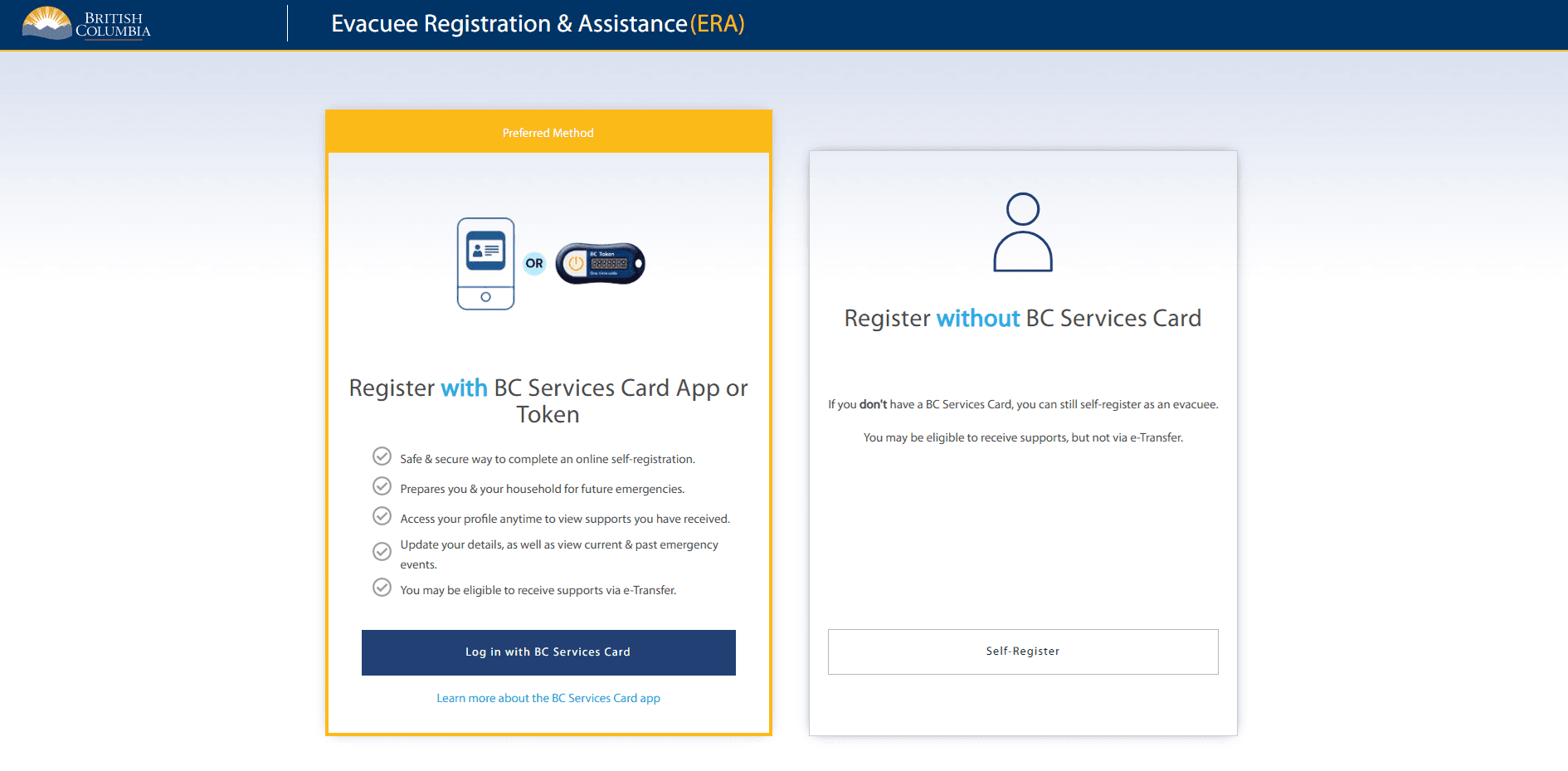
Current live starting point for Evacuee's to register and get assistance (https://era-evacuees.embc.gov.bc.ca/registration-method).