INDUSTRY
Healthcare
CLIENT
B.C. Ministry of Public Safety and Solicitor General
RoadSafetyBC Driver Medical
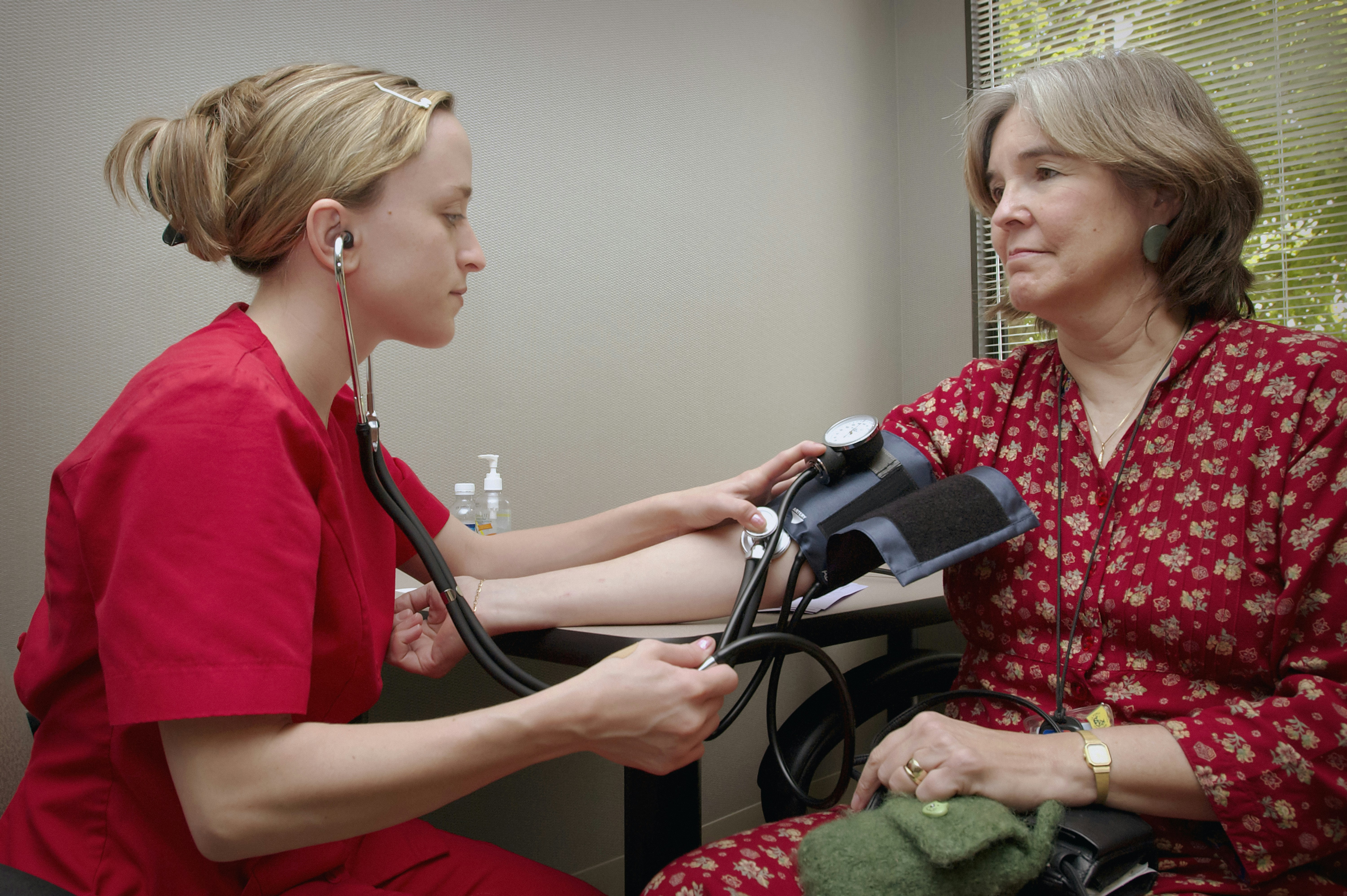
Reimagining medical fitness assessments for safer roads
RoadSafetyBC’s Driver Medical Fitness program plays a vital role in ensuring that drivers across British Columbia are medically fit to operate a vehicle. The program supports public safety at a provincial scale, requiring coordination between medical professionals, internal staff, and regulatory processes.
Over time, the service had become heavily reliant on paper forms, fax submissions, and manual case management. As volumes increased, these processes became more difficult to sustain, impacting efficiency, visibility, and the overall experience for both medical professionals and staff.
Number 41 partnered with the Province to redesign the program end-to-end, transforming it into a modern, digitally enabled service aligned with both clinical workflows and public safety requirements.

The challenge
The Driver Medical Fitness program operates at the intersection of healthcare and regulation, where accuracy, timeliness, and accountability are critical.
Medical professionals were required to complete and submit assessments through paper-based processes that were time-consuming and unclear. Internally, staff managed complex case workflows with limited visibility, relying on manual handling and disconnected systems. These constraints contributed to administrative burden, delays, and backlog risk.
The challenge was not simply to digitize forms, but to rethink how the service functioned as a whole, ensuring that any improvements aligned with real-world medical practices while maintaining the integrity of the decision-making process.
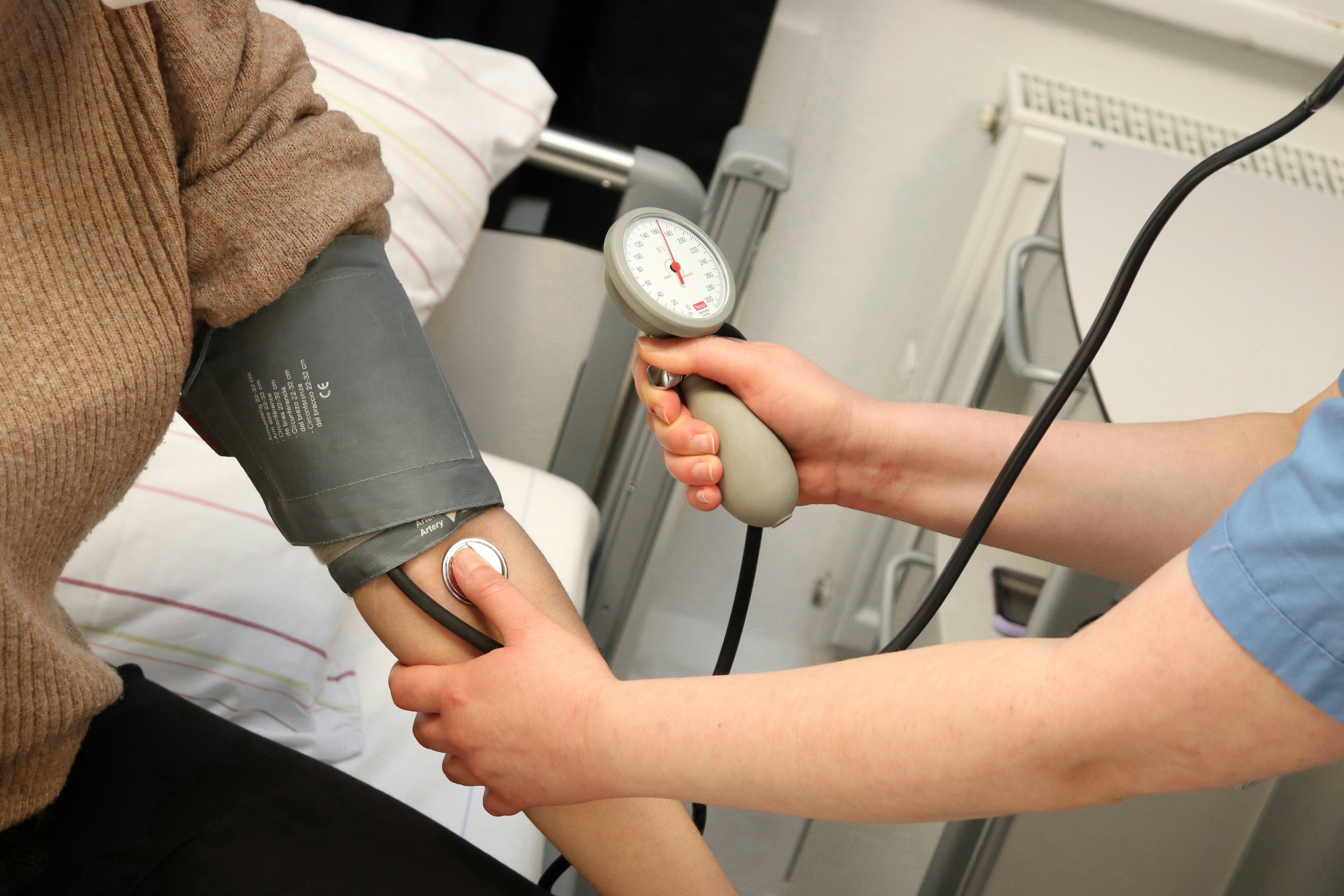
Our design approach
Number 41 led the service and experience design effort, working closely with RoadSafetyBC and Ministry stakeholders to understand how the program operated in practice.
We conducted interviews, workshops, and collaborative sessions with staff and medical professionals to uncover pain points, constraints, and opportunities for improvement. These insights were translated into personas, journey maps, and service blueprints that captured both the user experience and the underlying operational workflows.
Building on this foundation, we defined a clear future-state vision supported by user-centred design principles and a service excellence framework. These guided decision-making throughout the project and ensured alignment across stakeholders.
We then moved into iterative prototyping, designing and refining digital interfaces for medical reporting and case management. Usability testing with medical professionals ensured that the experience was clear, efficient, and aligned with clinical workflows, while ongoing feedback kept the work grounded in real-world needs.
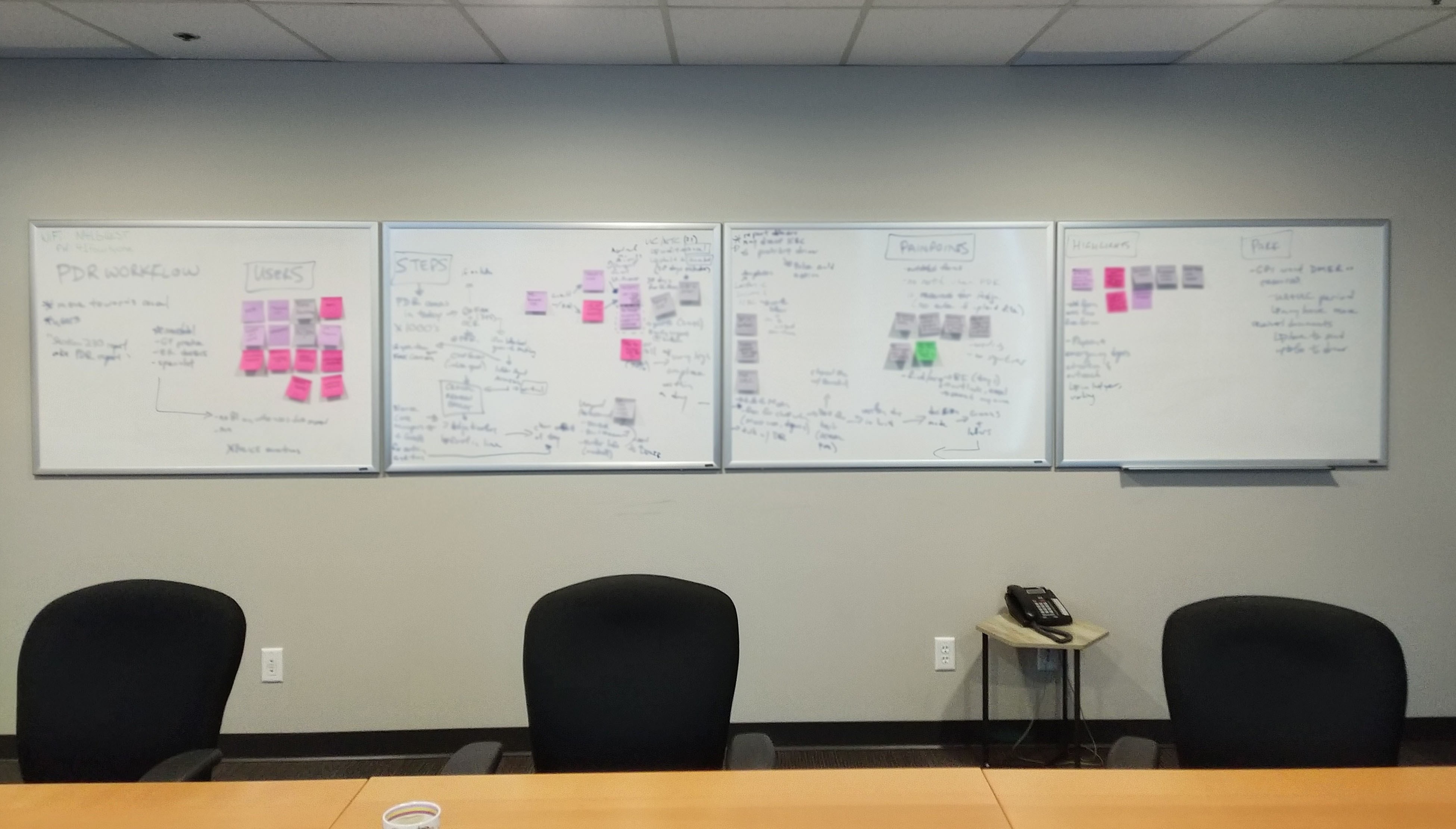
In-person workshop to facilitate the ideal future workflow.
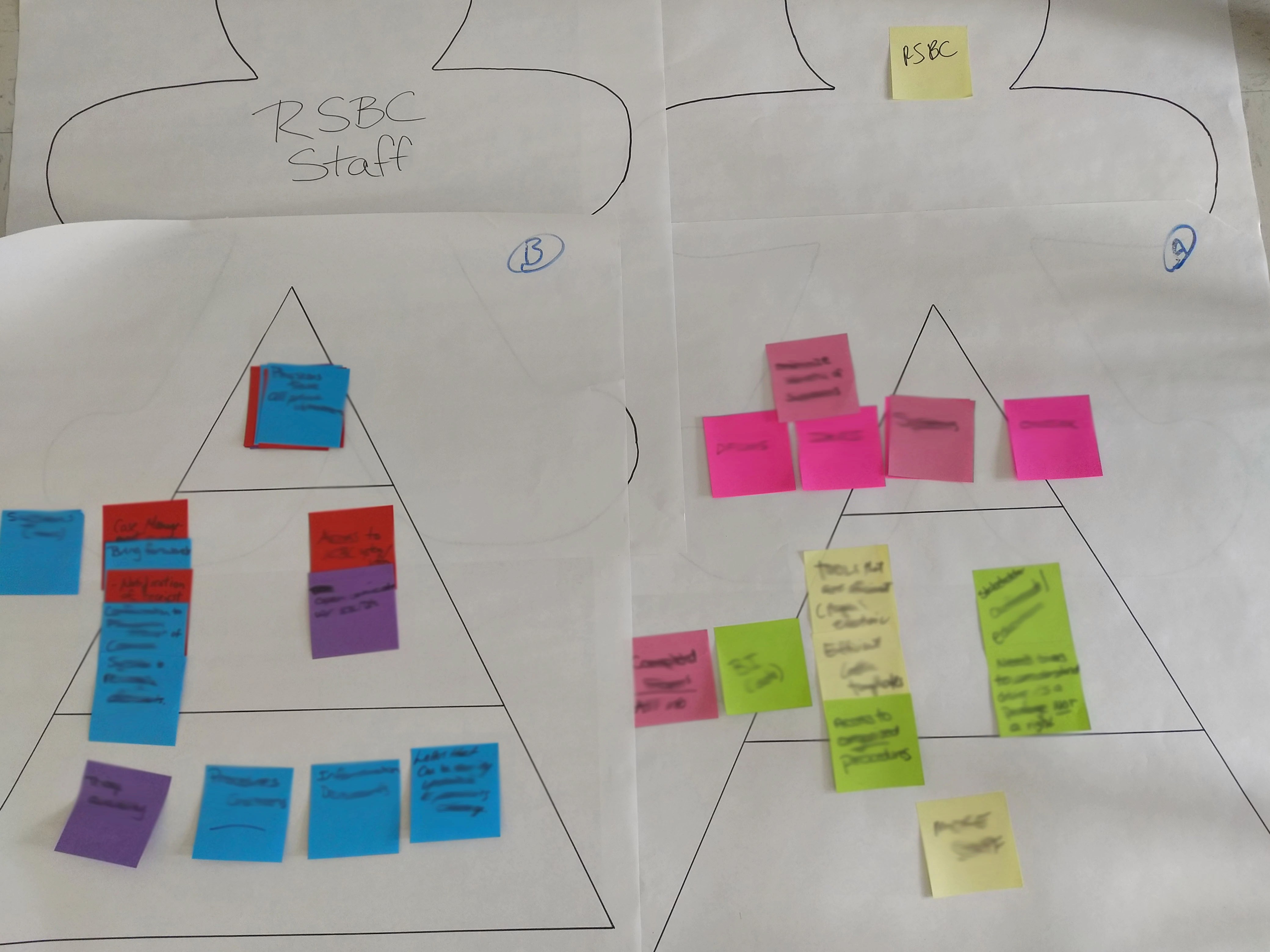
Workshops were conducted in person with business to gather each stakeholder's priority needs.
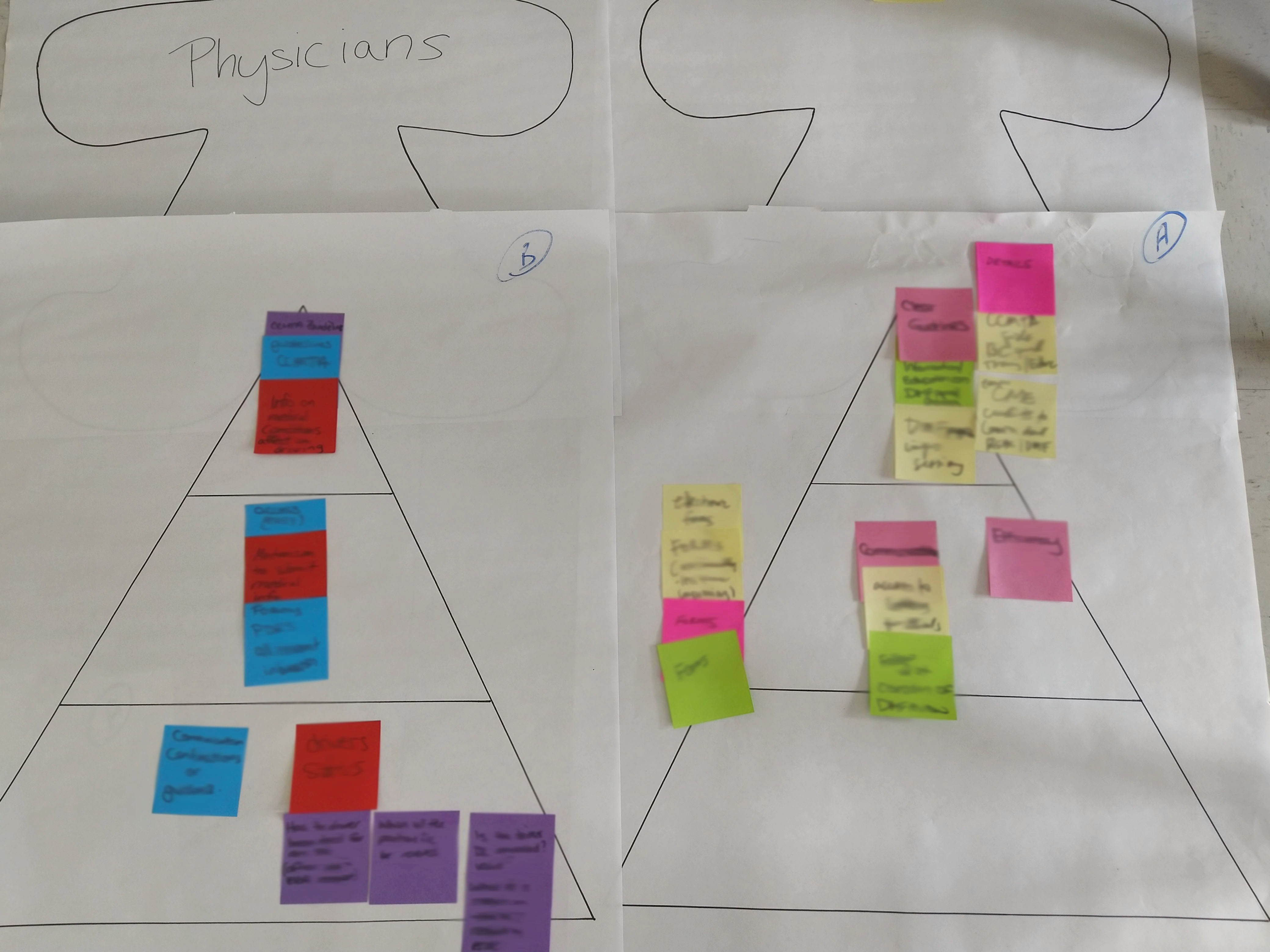
Stakeholders that were considered during the in-person workshops are RoadSafeBC, Physicians, Police, Applicants and ICBC.
The solution
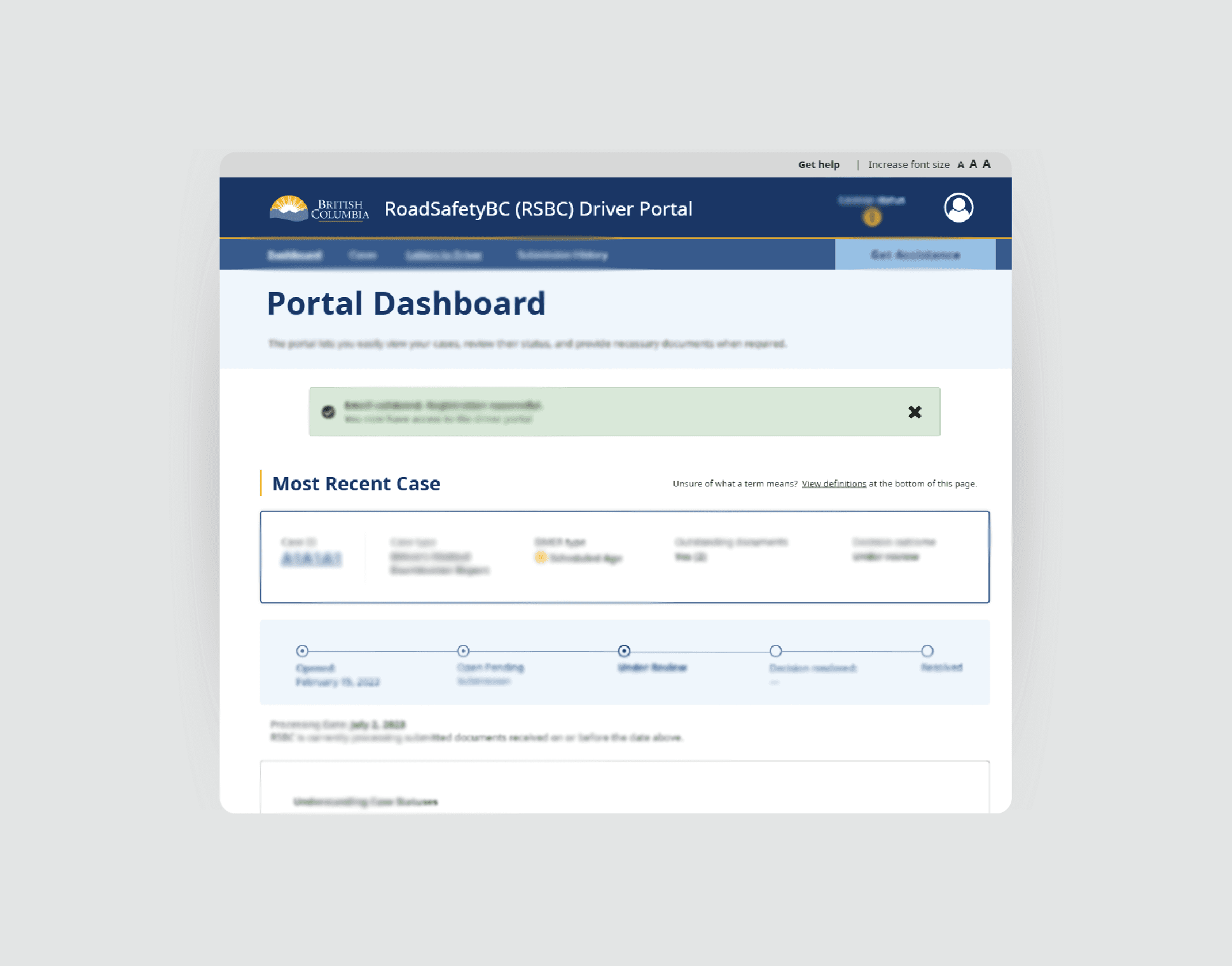
The result is a modern, integrated service that replaces fragmented, paper-based processes with streamlined digital experiences.
Medical professionals are supported through a clear and intuitive reporting interface, making it easier to submit assessments accurately and efficiently. Internally, redesigned workflows and case management tools provide staff with improved visibility and control over complex cases.
The service aligns front-end interactions with backend processes, ensuring that information flows more effectively across the system. By grounding the design in both user needs and operational realities, the solution supports more efficient delivery without compromising the program’s regulatory and public safety responsibilities.
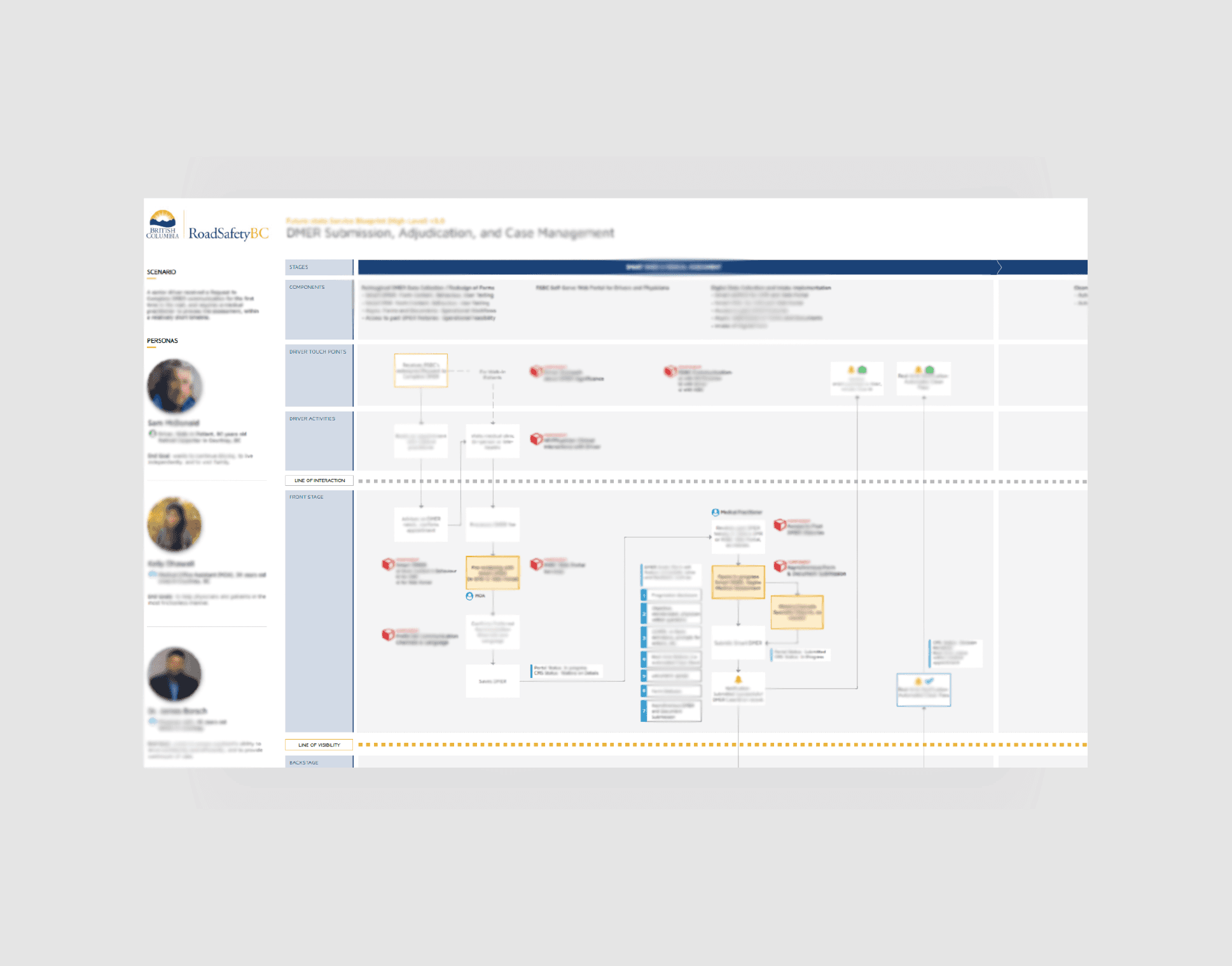
A future-state service blueprint that will serve as the foundation for the digital prototype.
Outcomes
The transformation of the Driver Medical Fitness program has established a more efficient and user-centred foundation for delivering this critical public safety service.
Medical professionals are able to complete and submit assessments with greater clarity and less administrative burden, while internal teams benefit from improved coordination, visibility, and workflow efficiency.
The program is now better positioned to manage demand, reduce backlog risk, and support timely decision-making. At the same time, it maintains the rigor and integrity required of a regulatory service.
What was once a fragmented and manual process has been reshaped into a cohesive, digitally enabled service, demonstrating how thoughtful service design can modernize complex programs while strengthening both user experience and operational performance.